Designers, builders and keepers of wooden boats
A boat built in a hurry is paid for at sea, so we never build in a hurry and we rarely build two alike.
Falmouth, UK--:--
Marram © Since 1974
Bergen, NO--:--
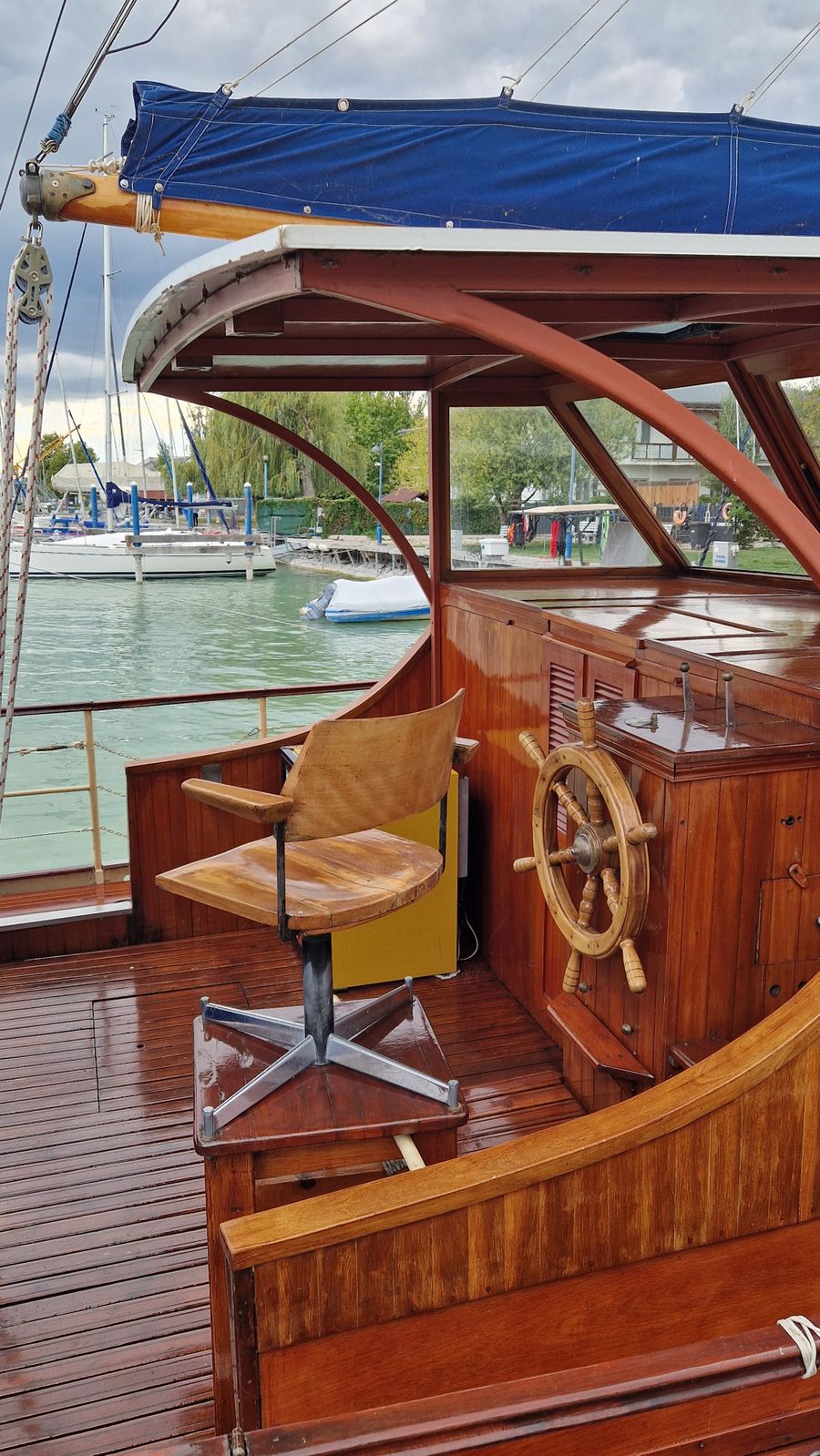
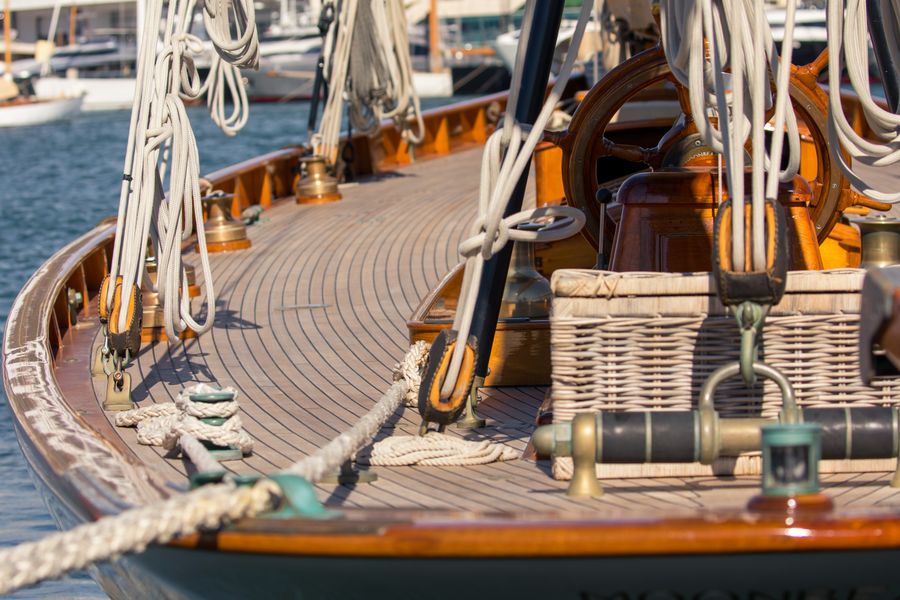
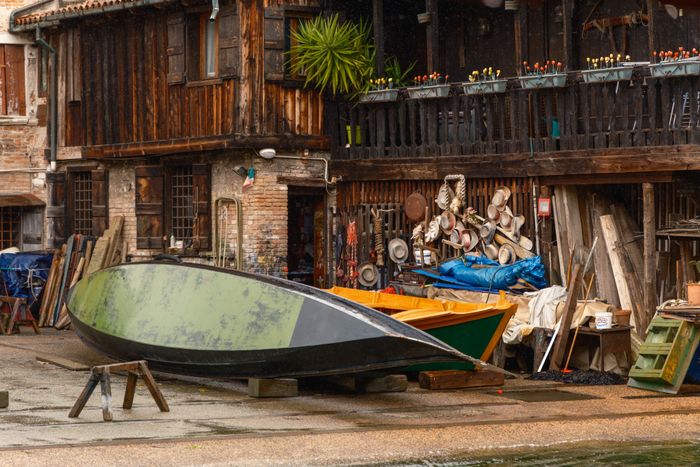
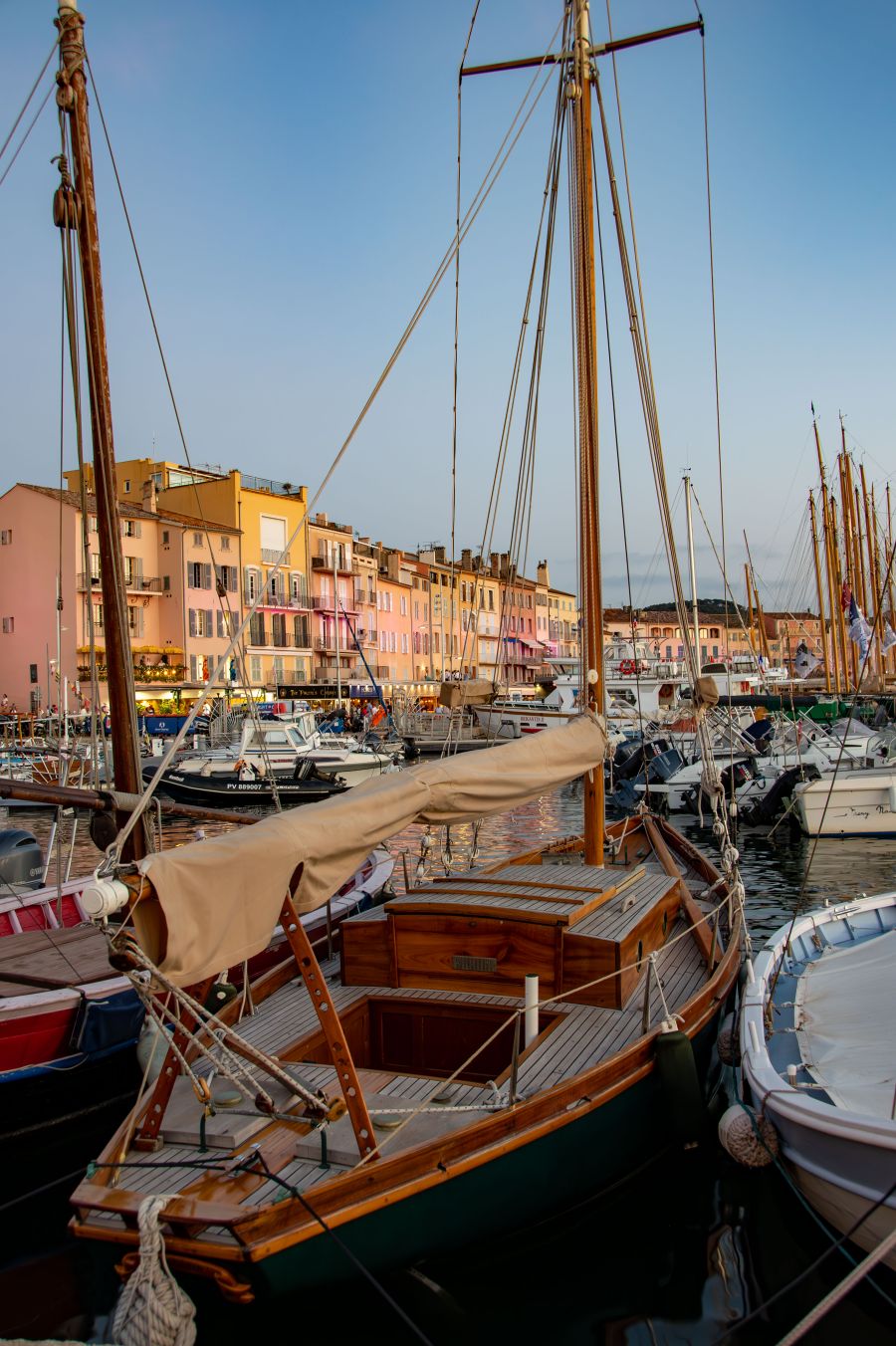
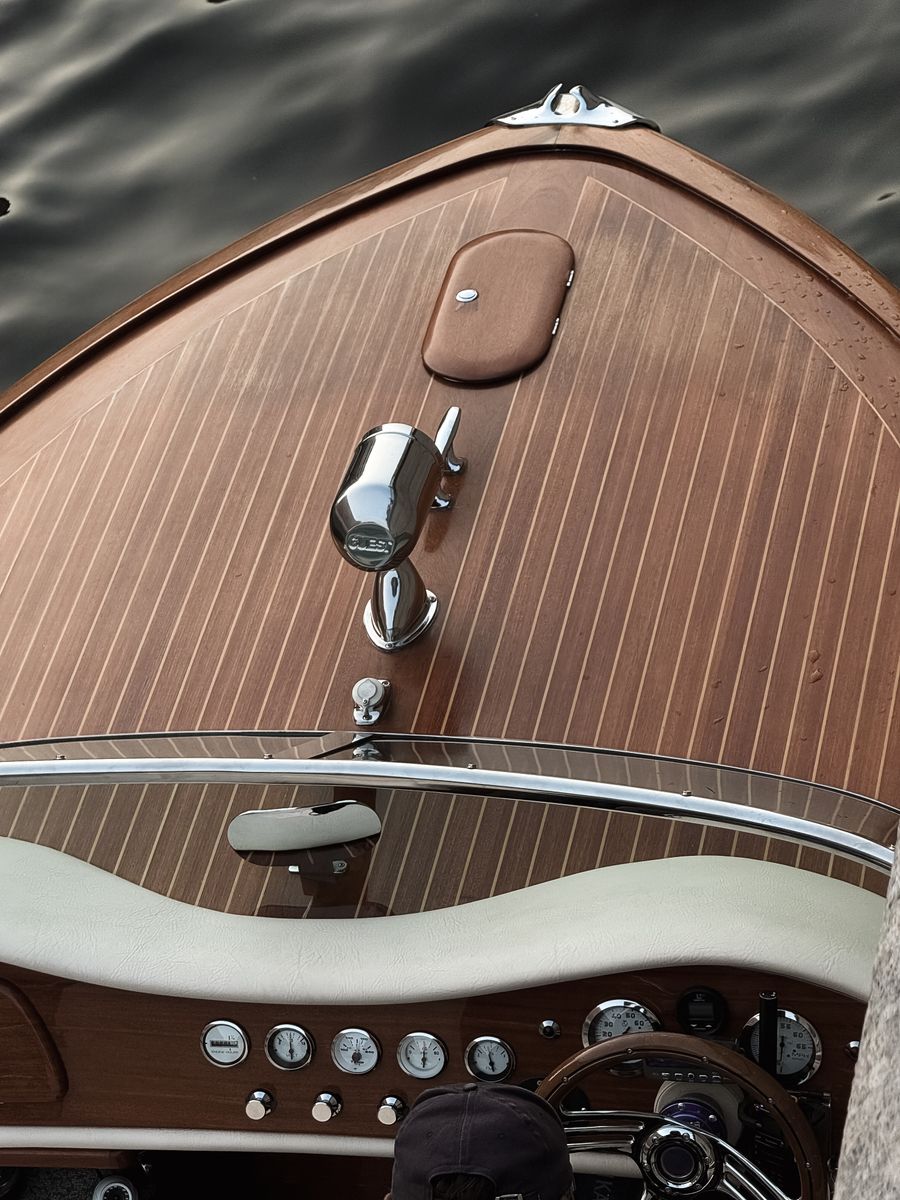
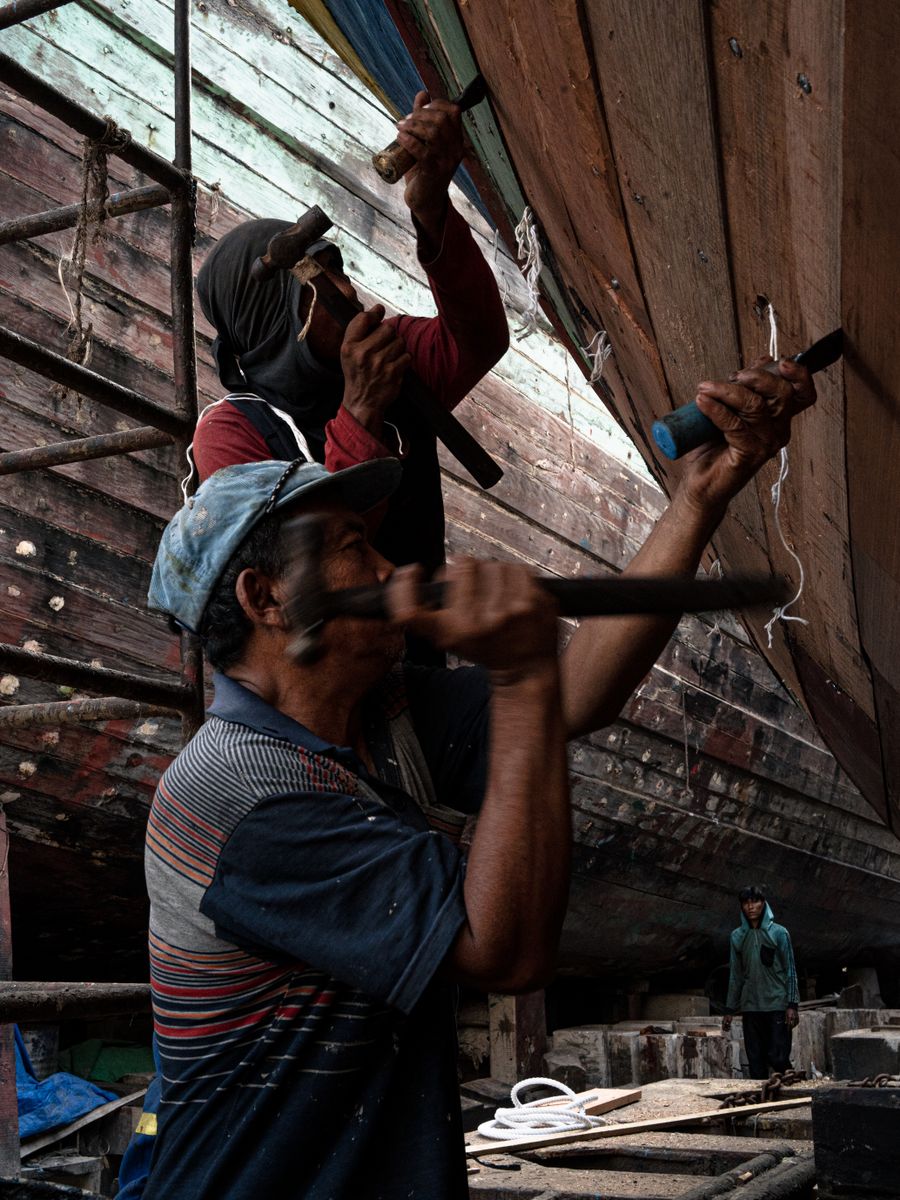
Built by hand
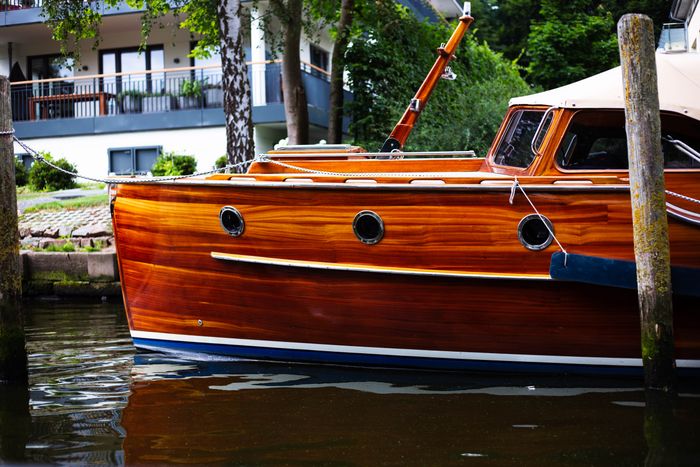
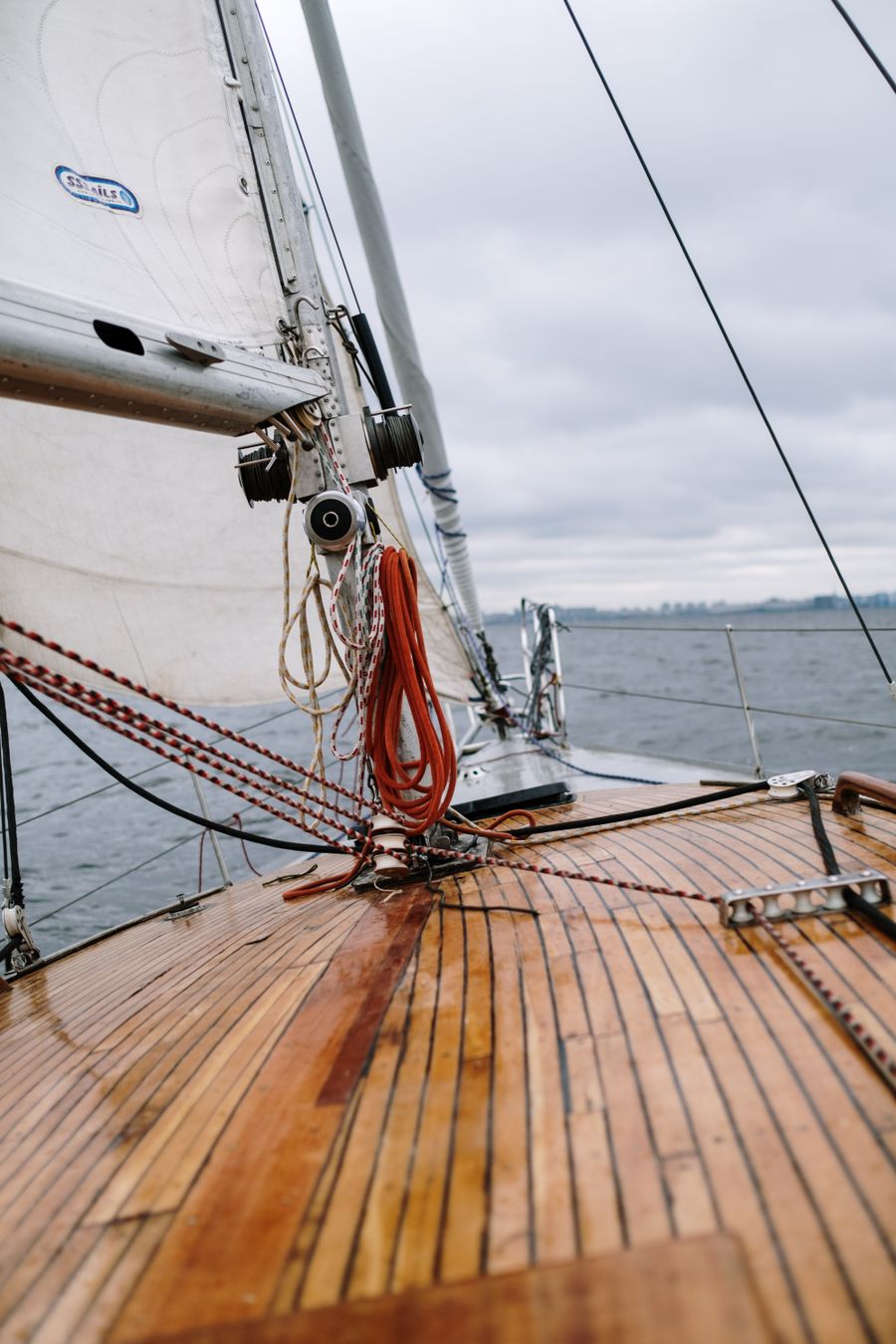
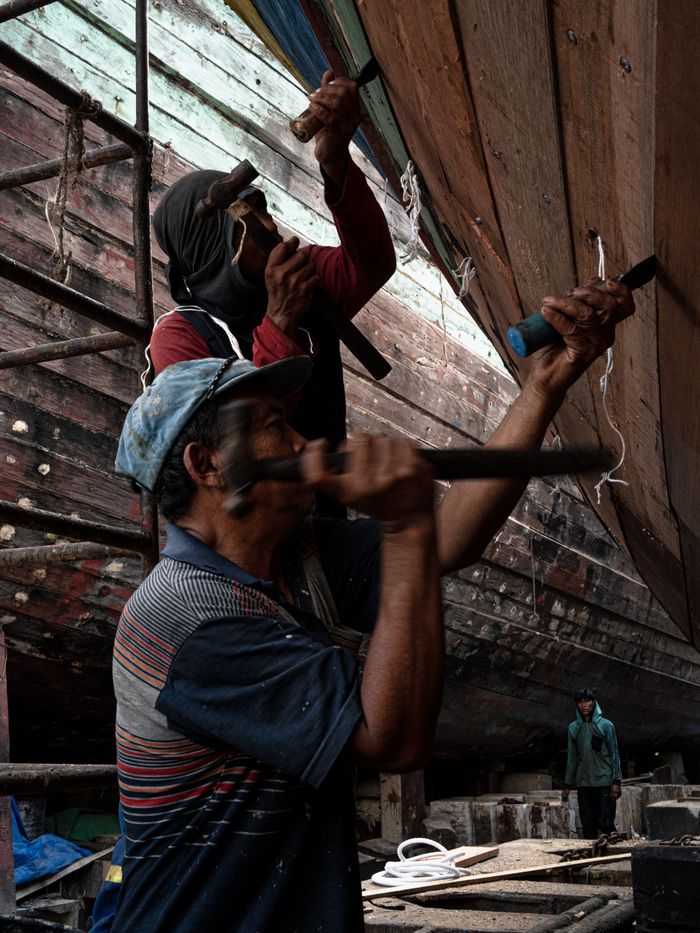
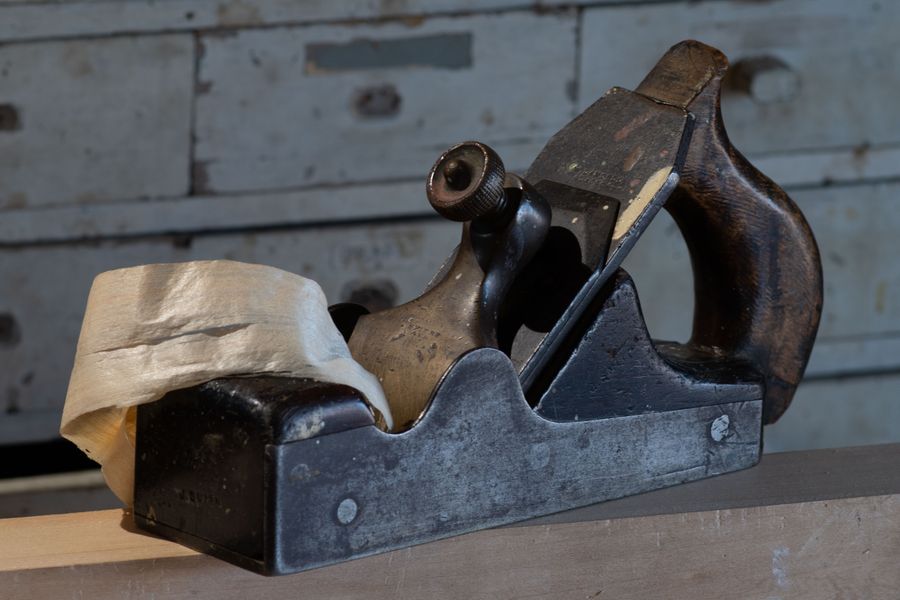
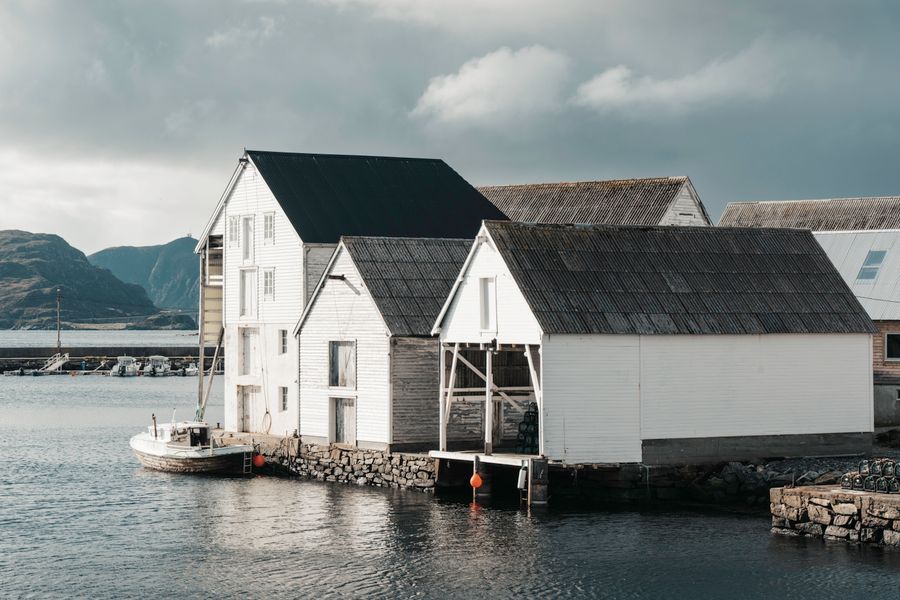
Marram designs, builds and looks after wooden boats, one at a time, in two small yards. Most of what leaves us is still sailing, and most of it comes back to us each winter.
The long tide
A hull takes eighteen months and lasts sixty years. We plan for the sixty. Timber is bought green and left to season in the roof for longer than most yards stay in business.
One keel at a time
Each yard lays one keel and finishes it before the next is drawn. Nobody here is ever building your boat with half a mind on someone else's.
Away from the marinas
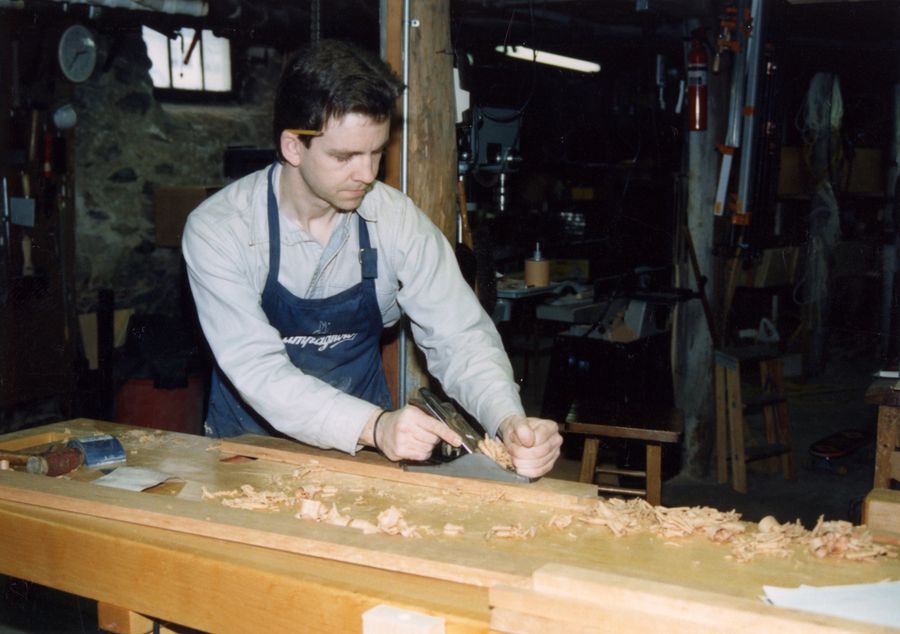
Both yards sit up quiet creeks, a long way from the showrooms. The rent is low, the water is deep, and nobody minds the noise of a planer at seven in the morning.
Our own boats first
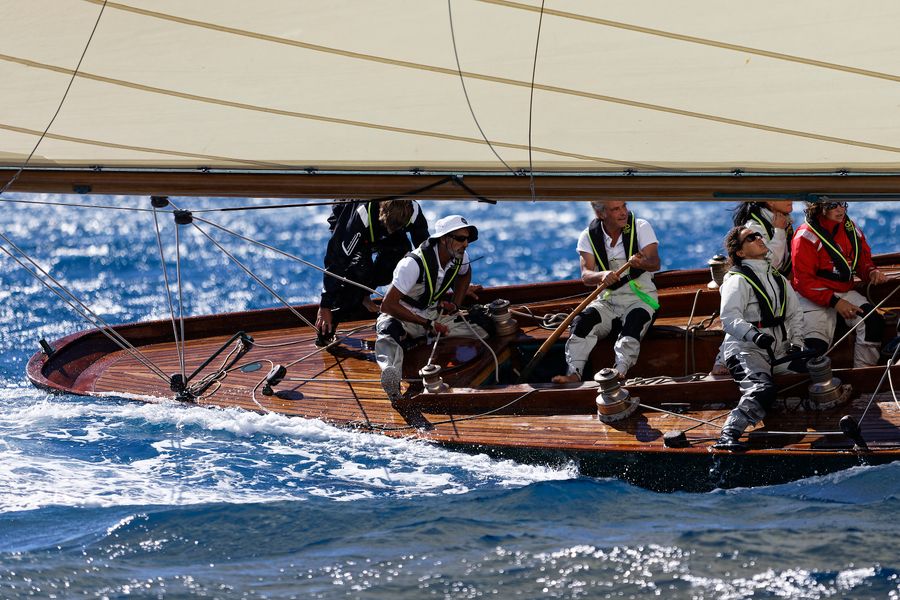
Every detail on a Marram boat was tried on one of ours. We sail what we build, and we are the first to find out what was a bad idea.
Against the fashion
When everyone wants a boat that looks fast at the dock, we draw one that is kind in a seaway. Fashions in hulls last ten years. The sea has not changed.
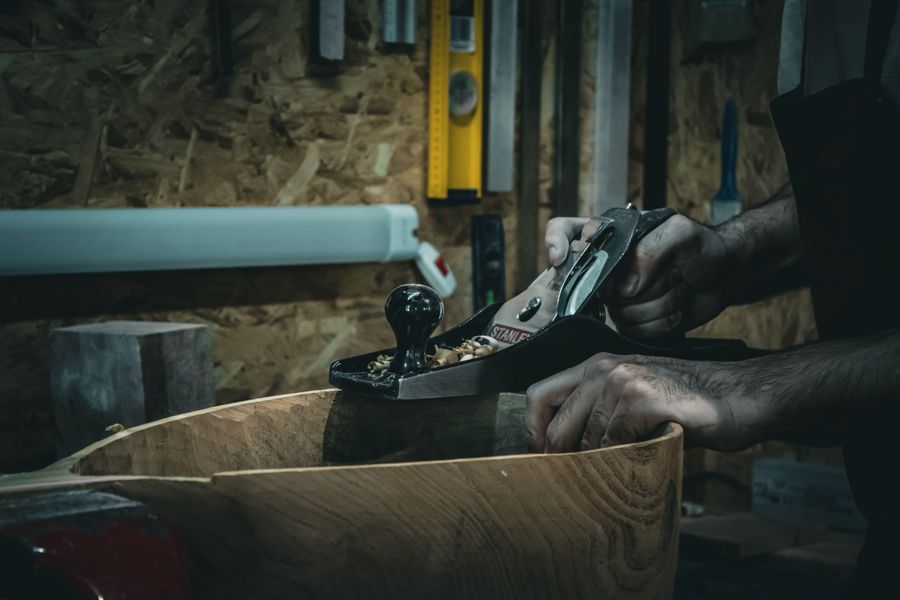
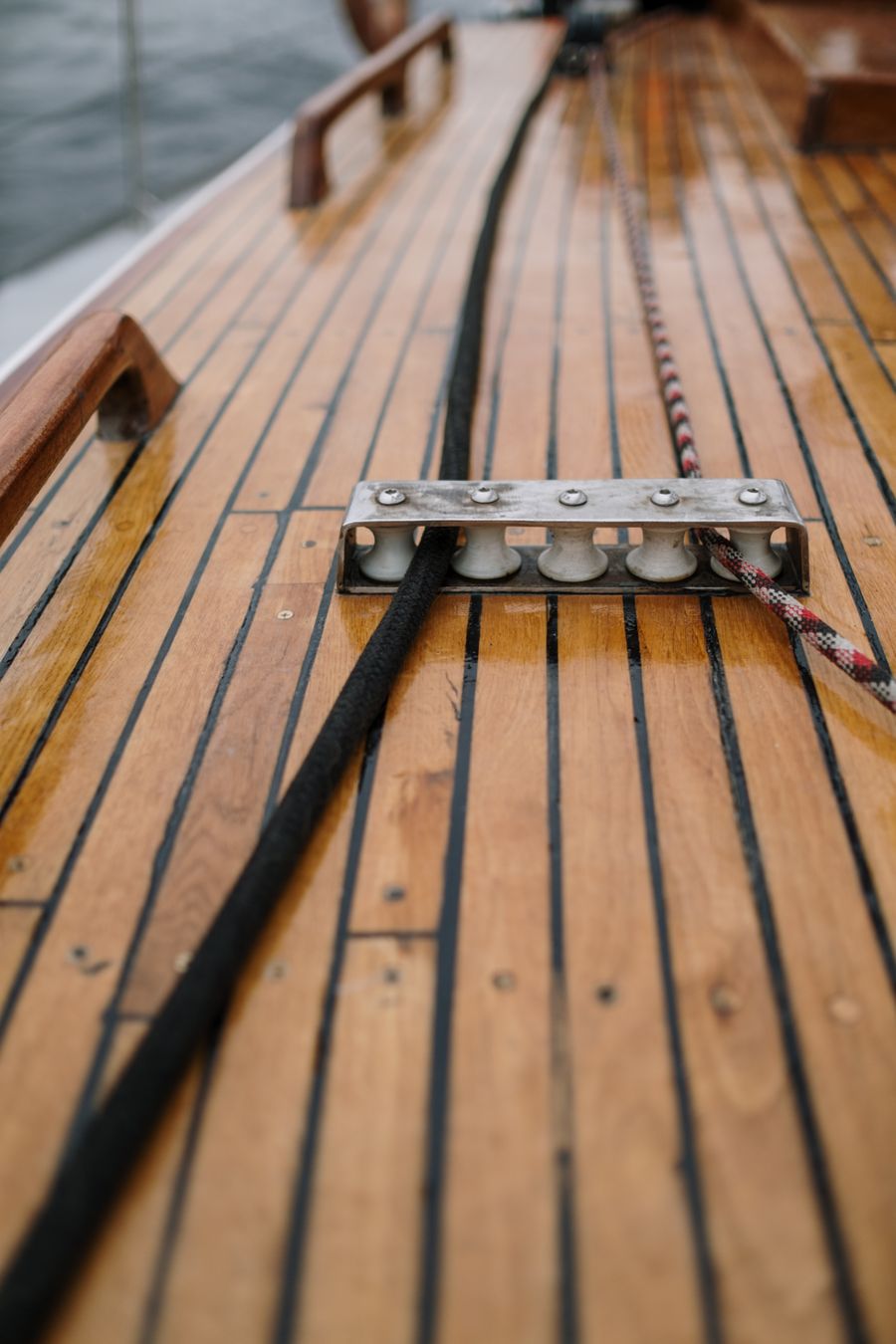
How we work
Three habits explain how the yard runs, and why owners tend to stay with us for the life of the boat.
Small on purpose
Eleven people across two yards. Everyone can see the whole boat.
Nothing hidden
You get the build log, the timber ledger and the bad news the day we have it.
Still here in forty years
We keep the moulds, the drawings and a berth for every boat we launch.
What makes a Marram boat is less the joinery than the manner of it. We answer the telephone ourselves. We say what a job will cost and then it costs that. We keep owners, crews and the harbour we work in equally in mind.
The yard grew up on a working quay, where a boat that leaked was a boat that did not earn. That is still the standard. We would sooner be dull and dry than admired and wet.
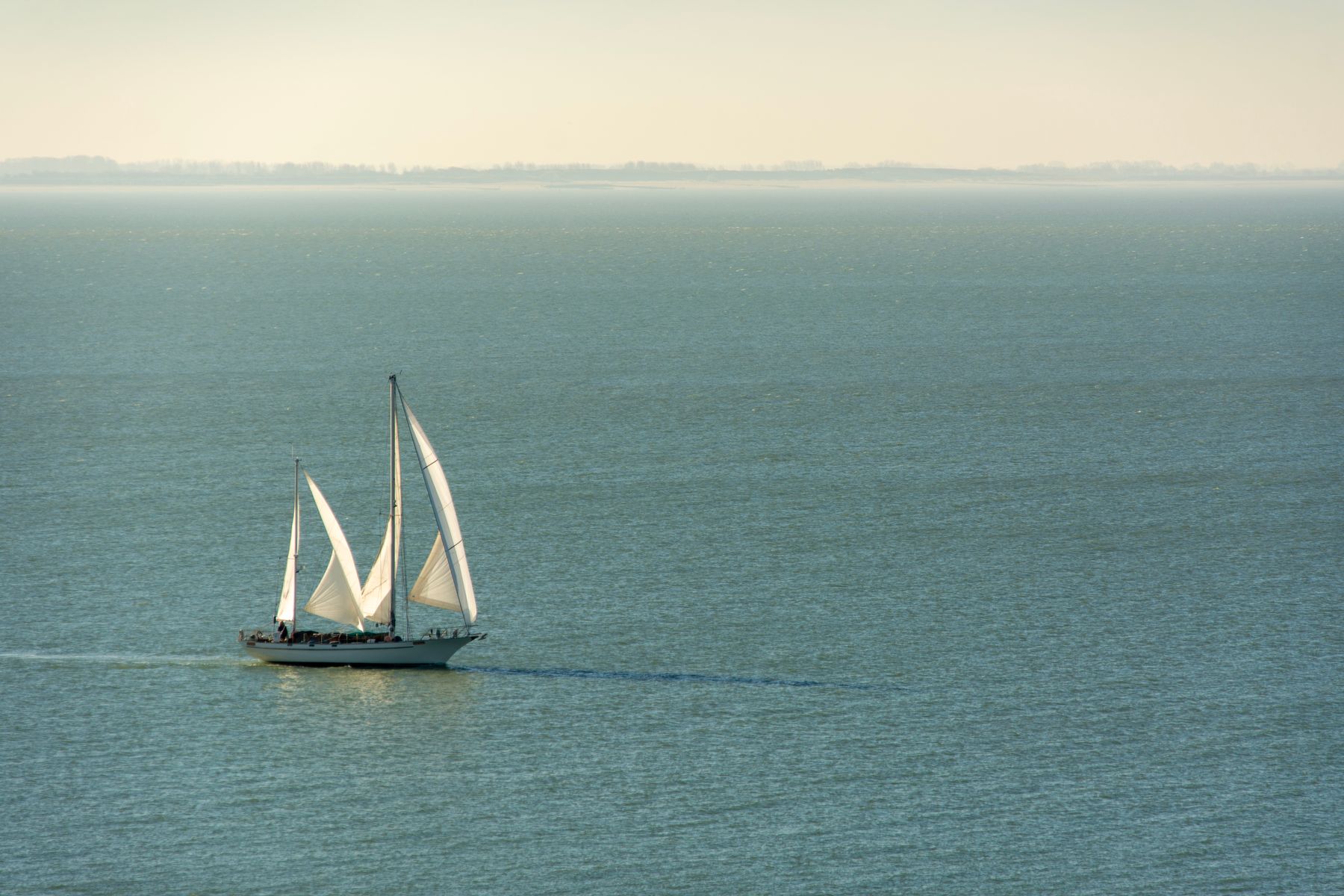
One hull, one crew
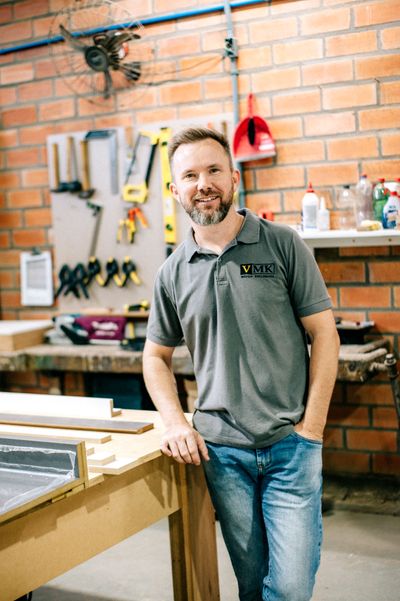
The people who draw a boat here are the people who build her, and the people who build her are the ones who haul her out each autumn.
A boat is drawn, built and kept by the same hands here. The loft floor, the building shed and the slipway are forty paces apart, and nothing is handed over a wall from one firm to the next.
Because the designer is also on the tools, mistakes are found on the drawing and not in the timber. Because the builder is also the one who will scrape her bottom in ten years, things are made so they can be reached. From the first line to the fiftieth winter, she stays ours to answer for.
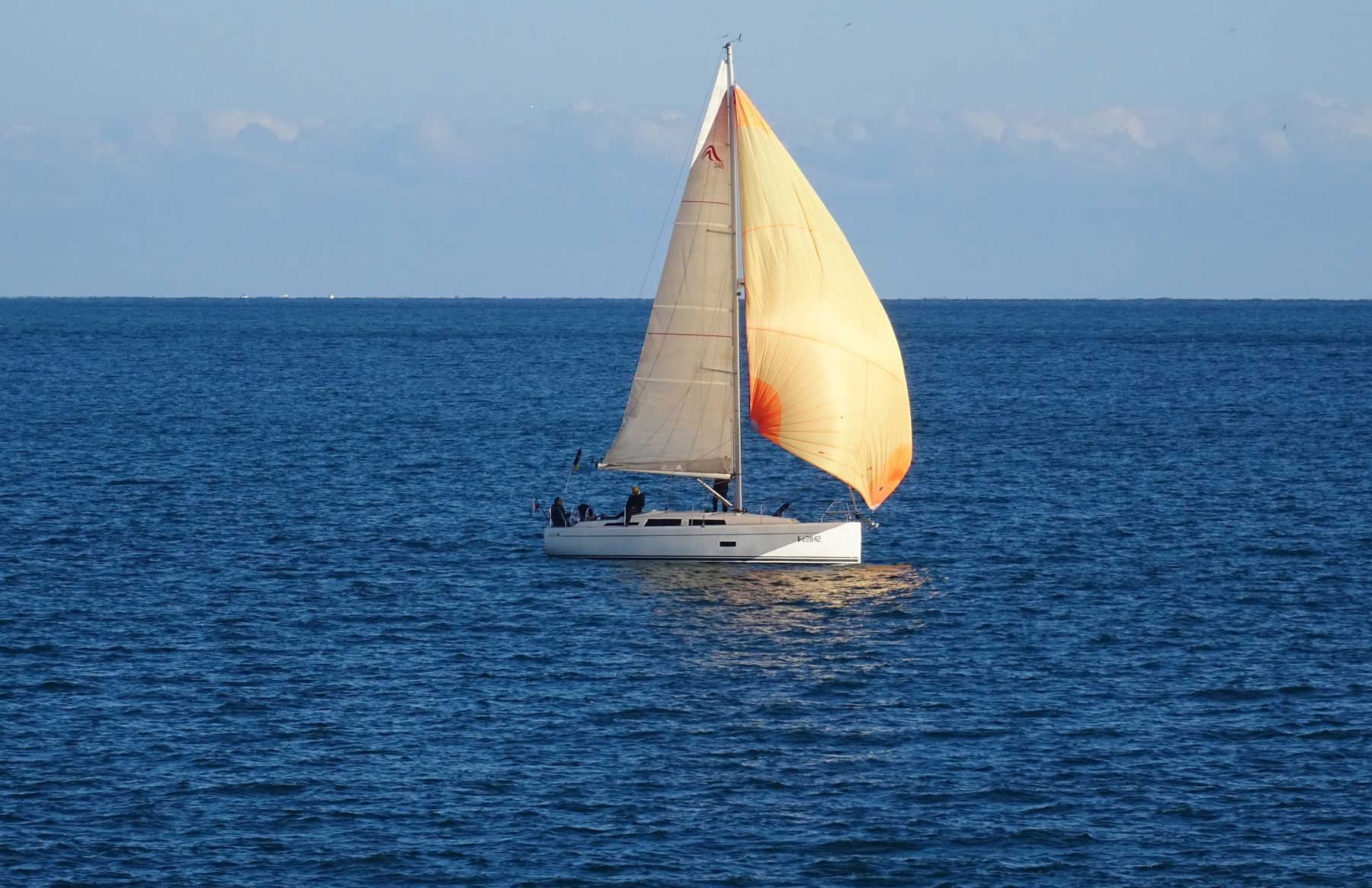
Fifty years afloat
Ruth Penhale leaves a commercial yard and takes a lease on a net loft at the head of a creek, with one apprentice and no orders.
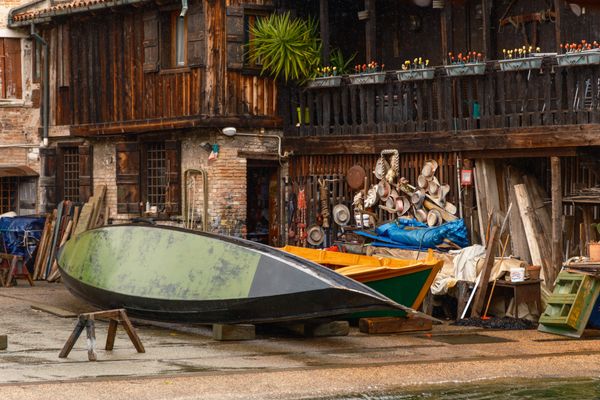
The first shed A retired pilot commissions a 22ft cutter to his own sketch. She is launched late and over budget, and is still afloat.
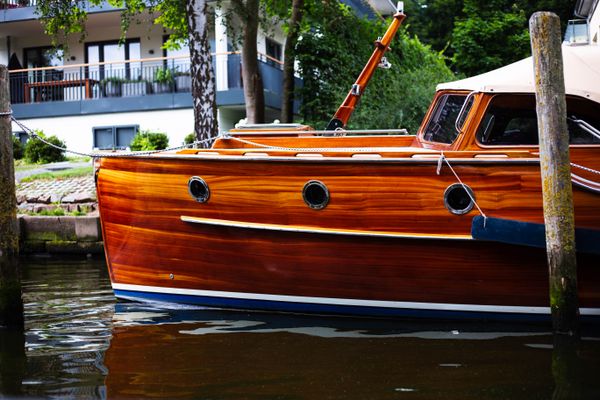
Curlew, at her mooring The loft above the shed is floored and whitewashed so that lines can be laid down full size. From here on the yard draws its own boats.
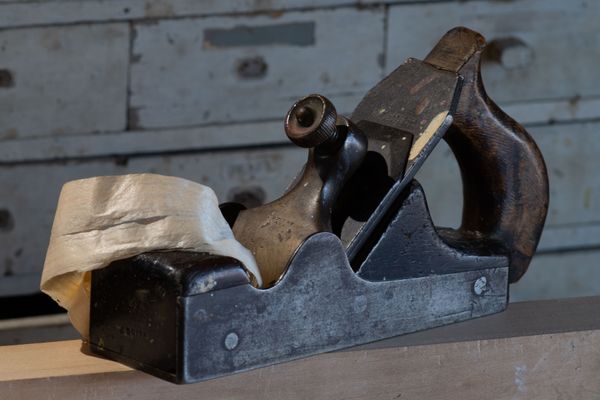
The loft floor Glass fibre takes most of the trade. The yard survives on repairs, fishing boats and one stubborn order a year.
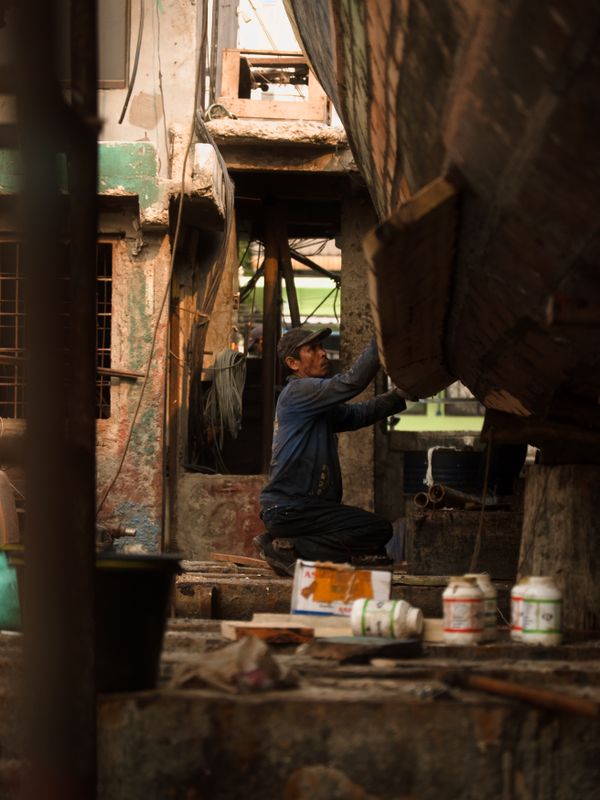
Refit work 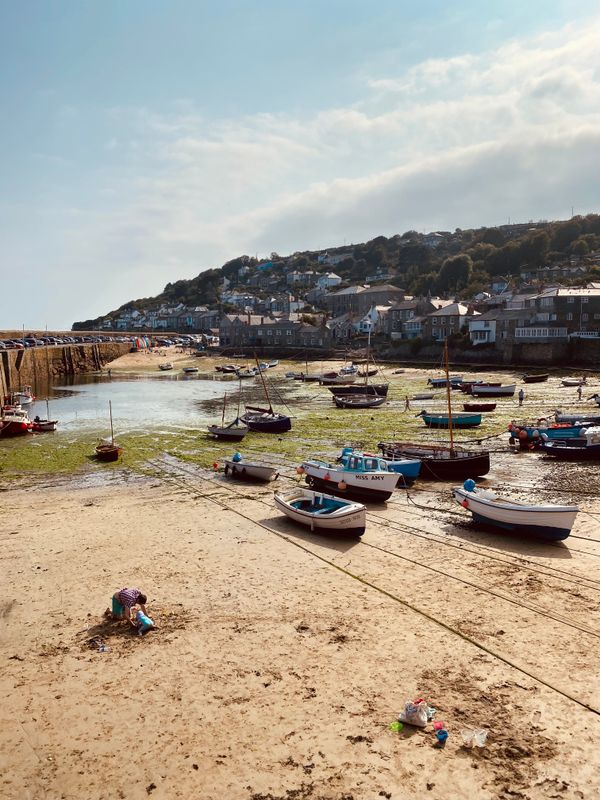
The working quay A 26ft gaff sloop meant as a one-off is ordered four more times. The moulds are kept, against all the yard's instincts.
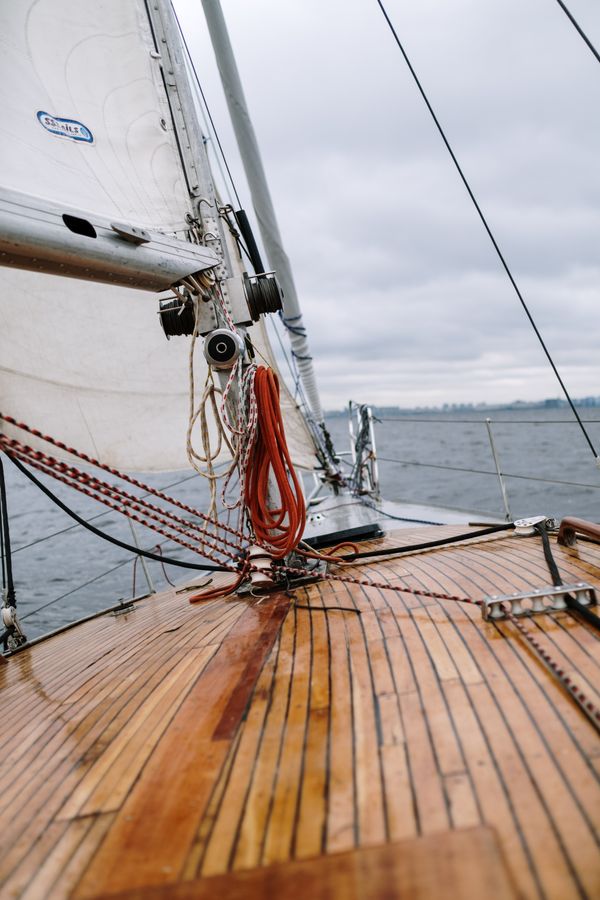
Sandpiper No. 3 Ruth's daughter Morwenna returns from a yard in Norway with a husband, a set of Scandinavian habits and firm opinions about epoxy.
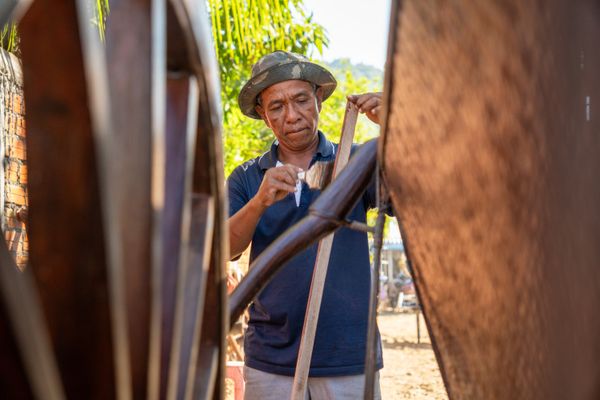
On the tools A slip is taken outside Bergen to look after the Norwegian boats. It was meant to be for two winters.
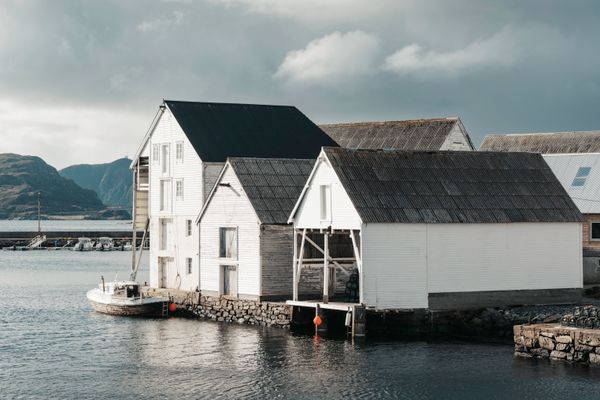
The Bergen slip With orders thin again, the yard buys a whole stand of larch and oak and stacks it in the rafters. It has been building from it ever since.
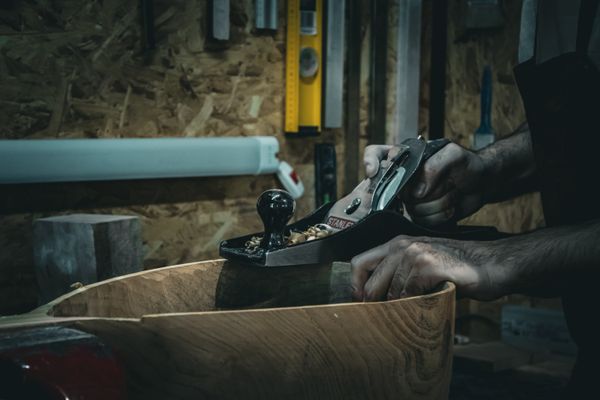
Larch for planking The largest boat the yard has built, a 38ft cutter, goes down the slip on a spring tide with eleven people holding their breath.
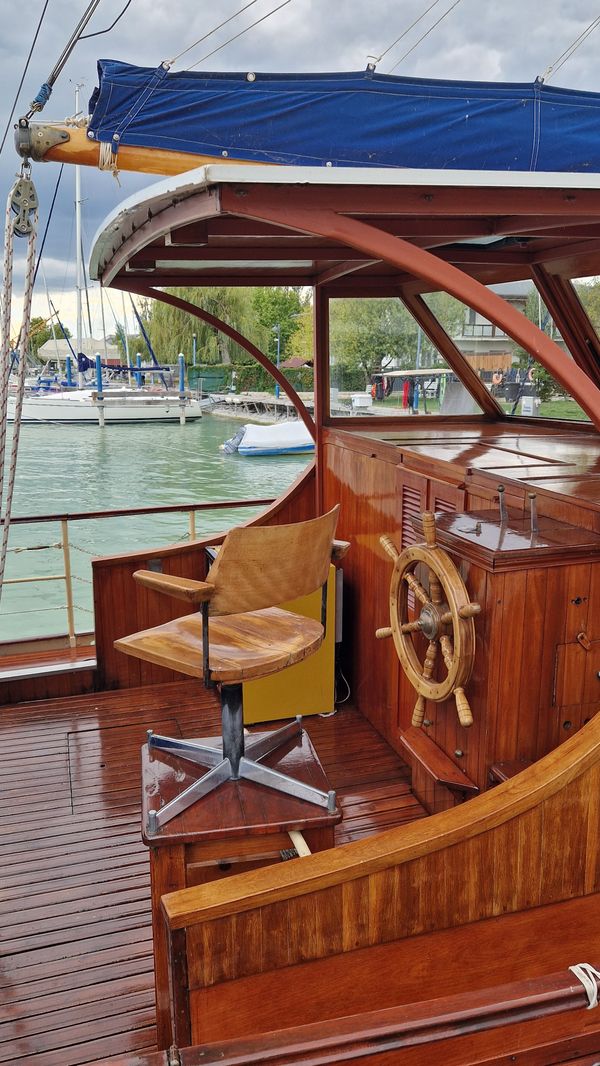
Kittiwake's cockpit 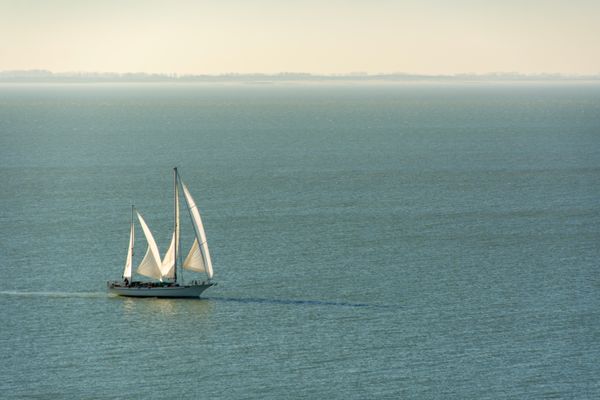
First sail Hull number forty is launched from the same slip as hull number one. Thirty-seven of the forty are known to be sailing.
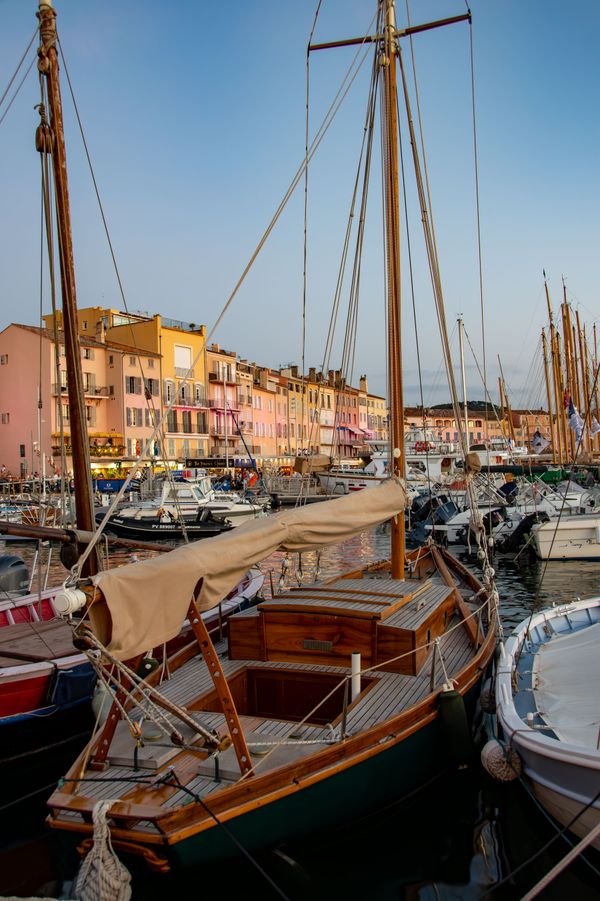
The summer rally Four apprentices are taken on across the two yards, the first in twenty years. Two of them had never been on a boat.
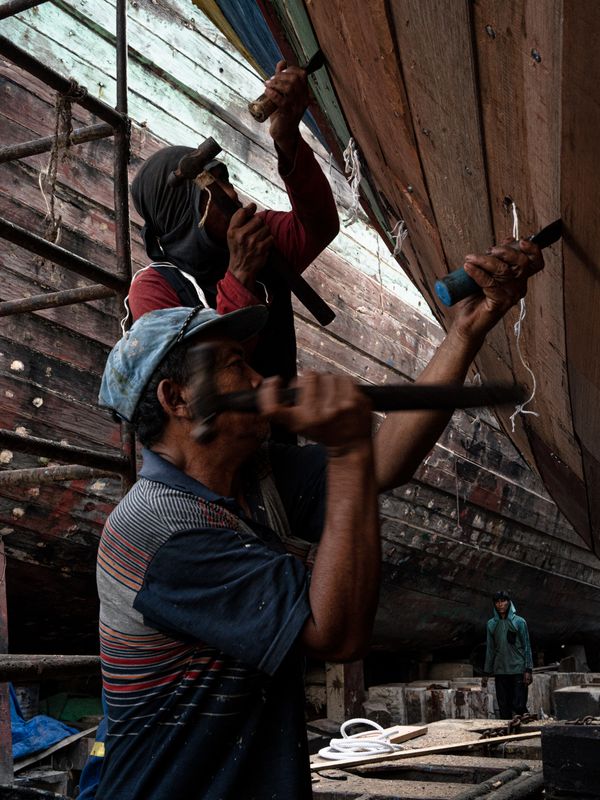
Framing up The yard's fiftieth year. Curlew, hull number one, comes home for a new deck and is put back in the water in time for the rally.
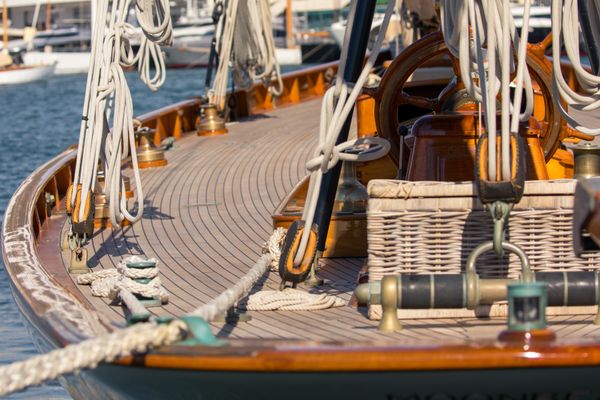
Curlew, re-decked
Come and look.